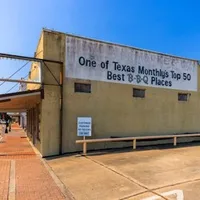
Rising beef prices, averaging $9.64 per pound in April, have forced several renowned Texas BBQ restaurants to close or face closure, with owners citing inflation, tariffs, and meatpacker pricing as key factors. Industry leaders warn they are in survival mode as the smallest U.S. cattle herd in 75 years and concentrated market control by four major meatpackers drive costs higher.
I hope so. Beef production is bad. We need less beef production and with the resources we save we can produce more food for the people. Humanity is destined to leave red meats in our past. The process is inefficient and environmentally damaging. Like fossil fuels, prices for beef can only rise.
I found phasing out red meats from my diet to be easy.
Industry experts said that inflation, President Donald Trump’s tariffs, and the prices being set by meatpackers—effectively the middlemen who buy cattle from ranchers, process the beef and sell it on to restaurants and grocery stores—are all contributing to the price hike.
The smallest U.S. cattle herd in 75 years is also contributing to the problem, due to drought, and an increase in operating costs since the pandemic.
 Topicle Beta




3 comments
Rising beef prices, averaging $9.64 per pound in April, have forced several renowned Texas BBQ restaurants to close or face closure, with owners citing inflation, tariffs, and meatpacker pricing as key factors. Industry leaders warn they are in survival mode as the smallest U.S. cattle herd in 75 years and concentrated market control by four major meatpackers drive costs higher.
I hope so. Beef production is bad. We need less beef production and with the resources we save we can produce more food for the people. Humanity is destined to leave red meats in our past. The process is inefficient and environmentally damaging. Like fossil fuels, prices for beef can only rise.
I found phasing out red meats from my diet to be easy.
Sounds like a perfect storm for the industry: